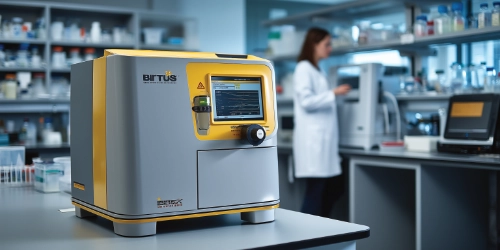
In-house Faecal Egg Counts

In-house Faecal Egg Counts For Your Pet | Gippsland Veterinary Hospital

If you manage livestock or horses, internal parasites can quietly affect growth, condition, and performance. In-house faecal egg counts at Gippsland Veterinary Hospital help you decide when treatment is warranted, and when monitoring is the better option.

About this Service...

Enquire about In-house Faecal Egg Counts

[tw_service_referral_clinics]

In-house Faecal Egg Counts FAQs

Just a few common questions about In-house Faecal Egg Counts. If there is something else you need to know just ask in the Contact Us form below!

  • How should I collect and store the sample?

    Use a fresh sample, keep it sealed, and refrigerate it until drop-off. If you’re unsure whether you should submit individual samples or a pooled mob sample, contact Gippsland Veterinary Hospital and we’ll recommend the best option for your purpose.

  • Does a low egg count mean there are no worms?

    Not necessarily. Some parasites don’t show reliably on standard egg counts, and early infections may not be shedding yet. A low count usually indicates low egg shedding at the time of sampling, which we interpret alongside signs and risk factors.

  • How often should we do faecal egg counts?

    Frequency depends on species, age class, season, stocking pressure, and pasture history. Many properties test more often during higher-risk periods and use results to guide treatment decisions rather than treating on a fixed schedule.

  • Can you use faecal egg counts to diagnose the cause of scours?

    They can help assess worm egg shedding, but scours can have other causes, including diet change and protozoal disease. If scouring is ongoing or severe, we may recommend additional testing to clarify the cause.

Related Pet Services in Maffra

Pet Services Near You

  • Complete Blood Count

    If you have ever watched a medical drama on TV, you have probably heard a doctor shout, "Get me a CBC, stat!" It is the most common blood test performed in both human and veterinary medicine—and for good reason. At , the Complete Blood Count (CBC) is often our first step in solving the mystery…

    Blood count analyser
  • Cytology

    When your pet develops a lump, a sore that won’t heal, or unexplained swelling, cytology is often one of the first tests we recommend at Gippsland Veterinary Hospital. With a tiny sample of cells, we can gather important clues about what’s going on – usually without needing surgery.

    Lab cytology